OliveCorp Software
2025
⎯
Overview
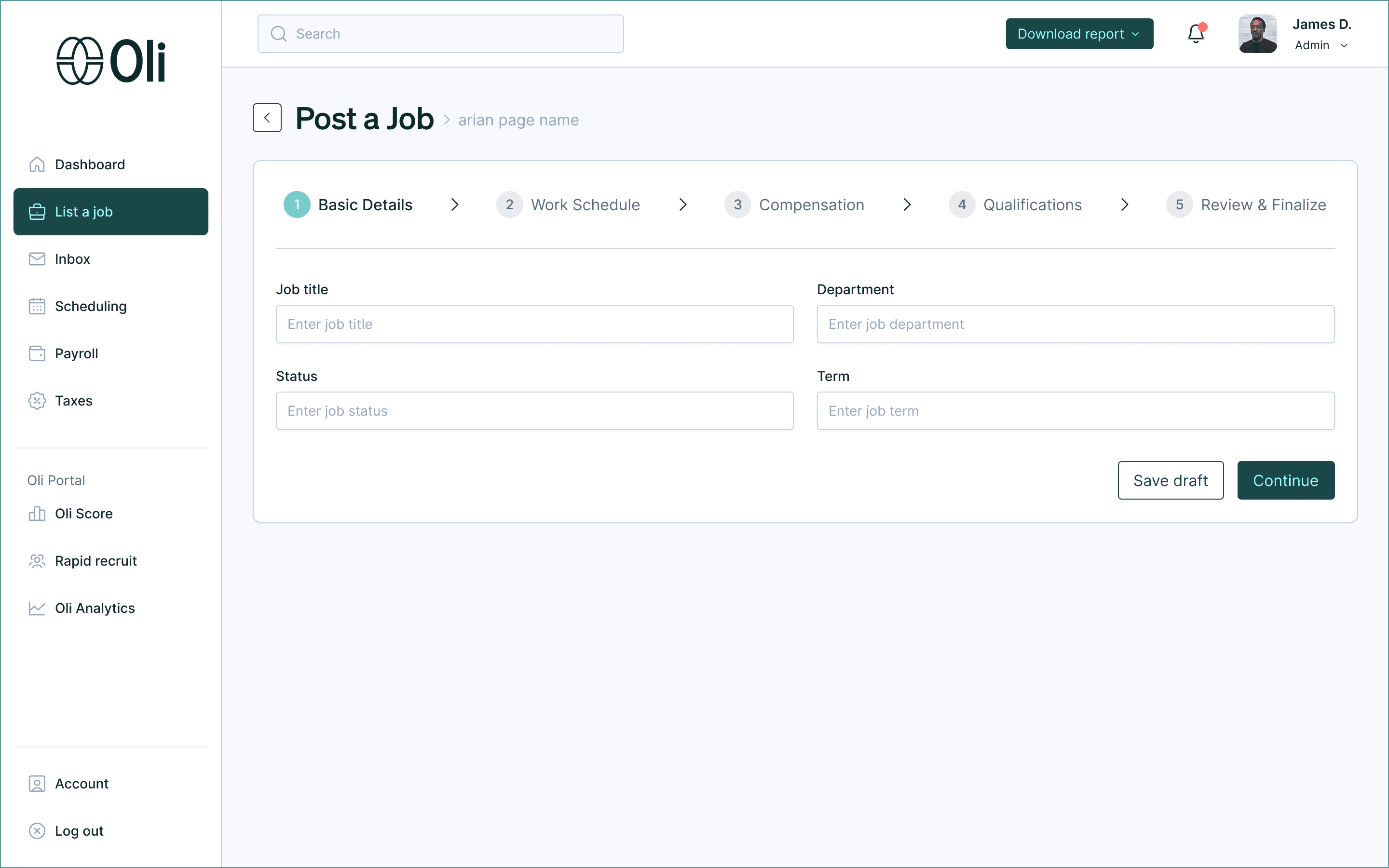
OliveCorp Software is a SaaS platform designed for healthcare recruitment professionals, helping them manage candidates, processes, and data within a structured and specialized environment.
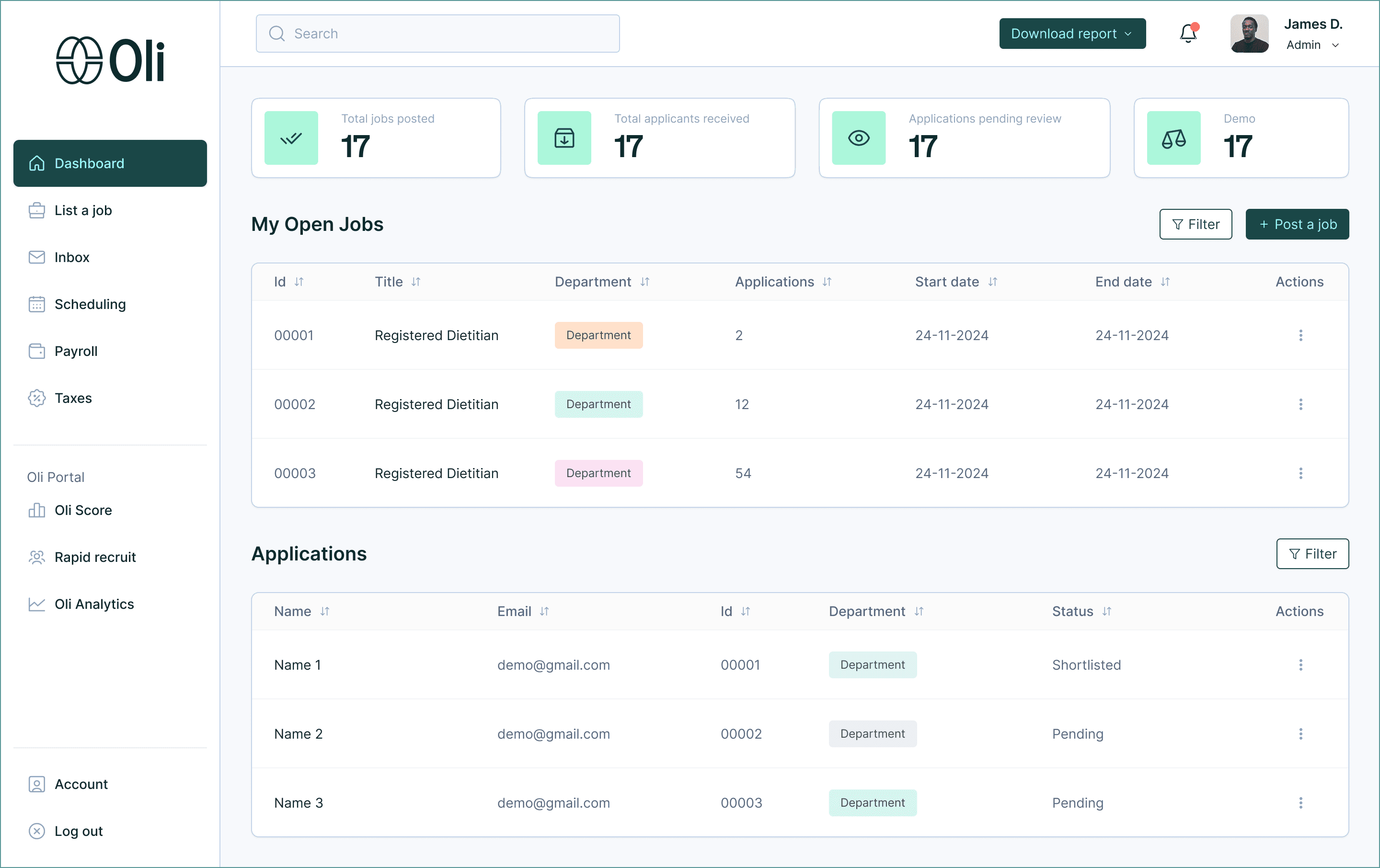
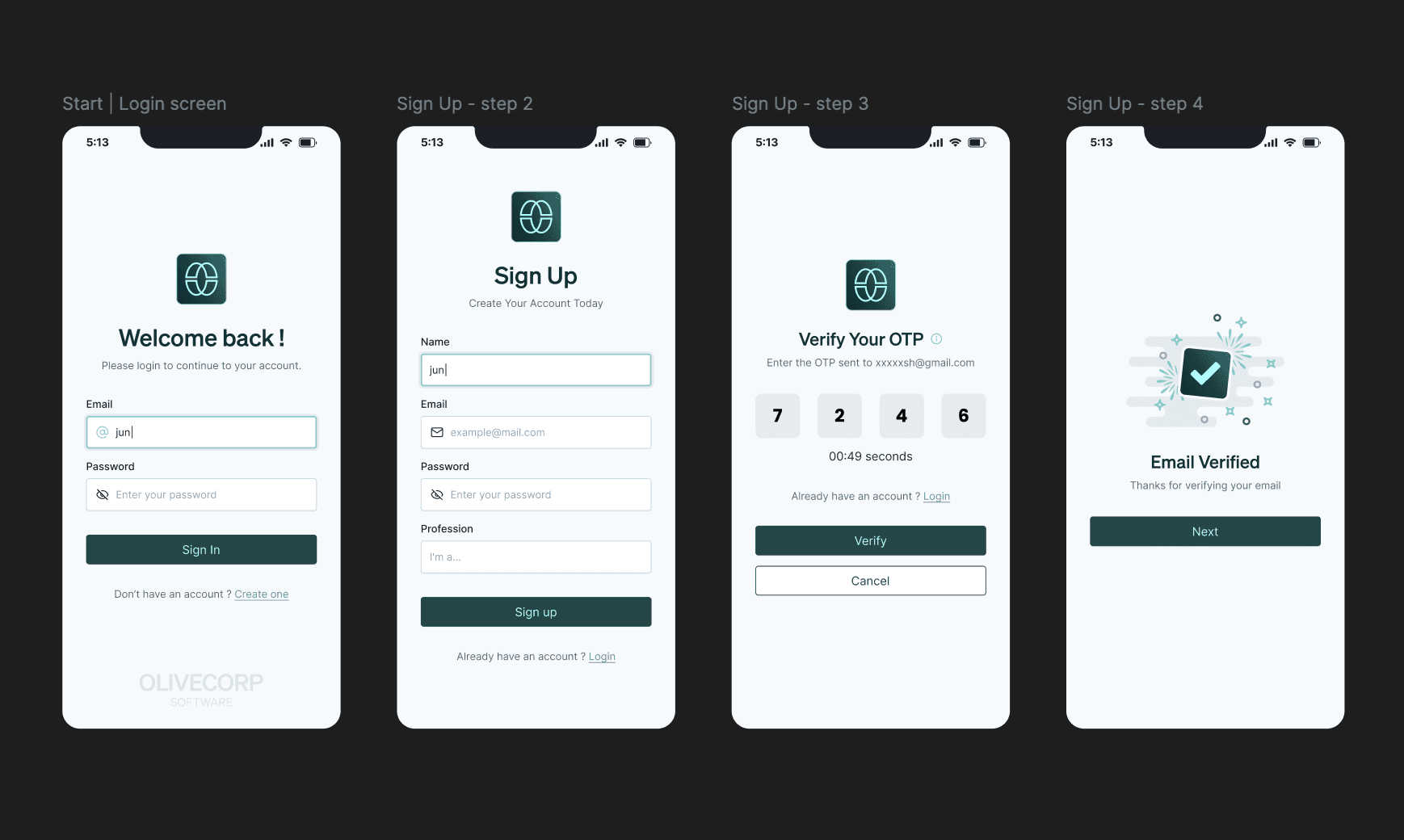
I joined the project in 2025 as a UI UX Designer to design the full interface of the product, both desktop and mobile, based on existing wireframes and an established brand identity. The goal was to deliver a production ready UI and a design system to support the development of the MVP.
Context
This project started as a brand new product. The agency had already validated wireframes before I joined, and the development timeline was tight.
My role was to transform these wireframes into a complete UI, introduce UX improvements where possible, and build a design system that could support the entire MVP. The collaboration was handled through an agency, and I did not work directly with the end client.
The problem
Since the product was new, nothing was technically broken yet.
However, many of the validated wireframes were not UX ready. Several user flows were incomplete, unclear, or not fully thought through, which created friction in the user journey.
From a team perspective, revisiting the wireframing phase was not an option. UX issues had to be addressed directly during the UI design phase, which sometimes led to compromises in order to respect scope, timeline, and previously made decisions.
My role was primarily execution focused. I proposed UX improvements when possible, but final decisions were constrained by the agency’s scope and the need to move forward quickly.
Process
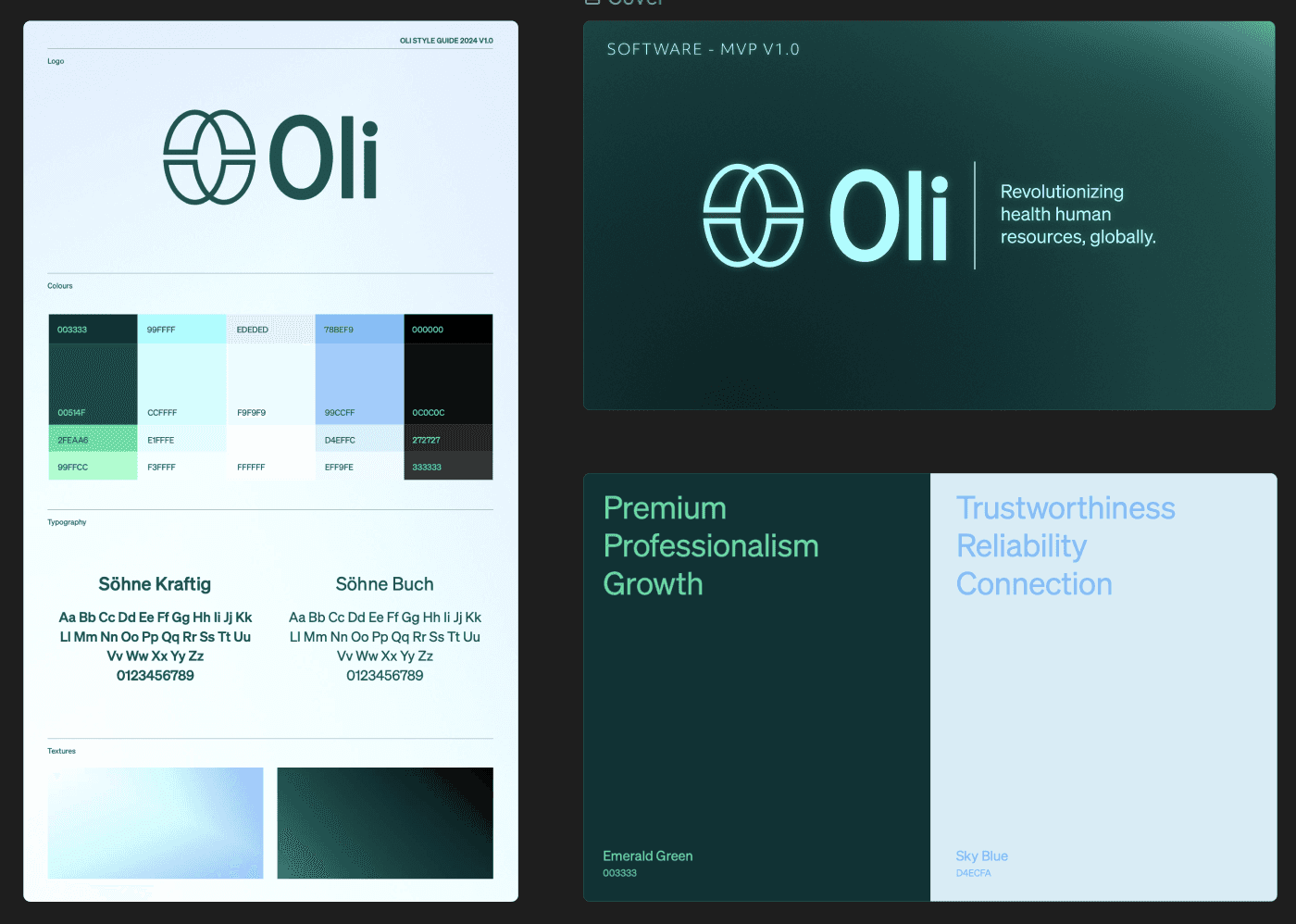
The main challenge was translating a strong and visually rich brand identity into a coherent and scalable UI and design system.
I focused on maintaining the essence of the brand while ensuring consistency, readability, and usability across both desktop and mobile screens. Despite the tight timeline, the goal was to deliver a clean, structured, and developer friendly UI.
The work was done in close collaboration with the agency’s project manager, with regular reviews and iterations until validation.
Key decisions
One of the key decisions was to prioritize visual clarity and system consistency over deep UX restructuring.
Given the constraints, I focused on designing reusable components that could work across desktop and mobile, while improving hierarchy and readability wherever possible to mitigate UX limitations in the wireframes.
The tradeoff was accepting that some flows were not optimal from a UX perspective. However, this approach allowed the project to move forward without blocking development or reopening earlier phases.
Learnings and next steps
This project highlighted how critical early UX validation is, especially on new products.
Working under strong constraints reinforced my ability to adapt, prioritize, and still deliver a coherent result. With more time, I would have pushed further on simplifying user flows and refining interactions.
Why this project matters
This project was a valuable exercise in implementing a complex and visually strong brand into a functional SaaS interface and design system.
It reflects my ability to work within agency setups, handle imperfect starting points, and deliver production ready UI solutions that balance design quality, constraints, and business reality.